Majority of Indians do not get even basic healthcare because of deep-rooted biases
Your support can make a difference

_1636638524_1655116944.jpg)


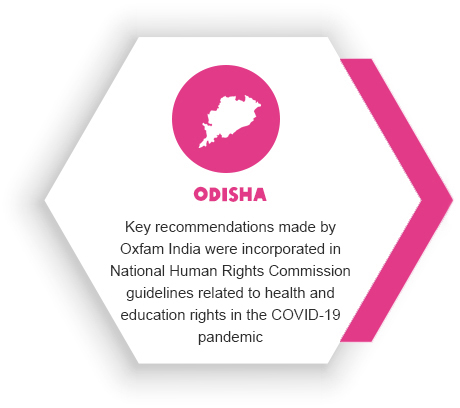
24-year-old Jhumuri Bahera from Odisha's Mayurbhanj district was denied maternity care funds under the state government's Mamata scheme. The problem was that her Aadhaar card carried her maiden name while the government maternity benefit scheme card carried her marital name. Such was the case with several other women and neither the Anganwadi Workers nor the bank officials offered them any support.
A policy meant to help women get proper maternity care failed to reach the same women because policy makers did not consider that women’s last name changes after marriage.
Oxfam India intervened and formed women's groups to monitor the implementation of government schemes and train women on their health rights. We trained the groups on legal steps to take up the issue with the Child Development Project Officer (CDPO) and the bank officials. Eventually, authorities took action and ensured that the bank opened women’s accounts irrespective of name change and transferred them their entitled funds.

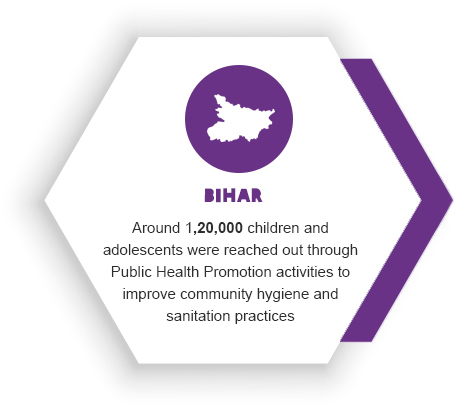


 Aarti Devi, a Dalit woman from Bihar, and her husband Govind Ram, were excited when they heard the news about her pregnancy. The government had made institutional delivery, including transportation free of cost. The family was also eligible for a token amount under the Janani Suraksha Yojna (JSY).
During the course of her pregnancy, Aarti felt excruciating abdominal pain and the neighbours took her to the nearest health facility. However, she was ill-treated because of her caste and told to go to another ward. Once again, she was refused a check-up. Finally, she had to go to a quack in her locality. Due to the humiliation at public health centres, Aarti went to a private hospital during her second pregnancy. But high expenses for consultations pushed the couple into debt. Aarti had to deliver her second baby in unhygienic conditions.
Aarti is not alone. Many face similar situations that put them in harm’s way due to discriminatory practices while accessing public healthcare services.


Source: The Inequality Virus – India Supplement 2021
Your contributions are eligible for up to 50% tax benefit under section 80G